

Gutter Downpipe Replacement - Two Unsung Heroes
The gutter and the downpipe are often overlooked when it comes to protecting your home from the unpredictable Australian weather.
Guttering is a long-span metal structure that is set along the edge your roof. It collects rainwater and channels it away. Downpipes stop water from flowing over and guard against structural damage to your structure.
Material
Downpipes form part of the gutter system. They deliver water to the ground and help prevent damage to the foundation and landscaping. They are constructed of durable materials to help endure the harshest weather conditions and are available in a range of sizes and styles to suit any home. Check the guttering downpipes regularly particularly after heavy rain and during storms, to ensure that they aren't clogged and working properly. They should also be emptied periodically to avoid overflow.
The material used for downpipes varies from aluminium to plastic, and the size of the downpipe is dependent on its intended use. Plastic downpipes are thin and lightweight, while aluminium is sturdy and corrosion-resistant, making it more durable. They're both available in different sizes and lengths, but selecting the right size of downpipe is crucial to avoid clogging, blockages, and leaks.
Although most downpipes have typically round however, there are square and rectangular downpipes that are specifically designed to meet specific drainage requirements. Some downpipes are constructed from rust-resistant galvanised steel, making them more durable and lasting.
There are various types of elbows that can be used to alter the direction of flow of the downpipe. It can flow either left or right. A B-style elbow could be used, for example, to redirect the downpipe's flow from the gutter outlet running towards a driveway or grassy area. Offset bends are sections of angular shape which connect the outlet of the downpipe to the downpipe. The most common type has a 112.5 degree angle, which, when two are connected together, creates the classic "swan neck" bend.
Downpipe accessories such as leaf catchers and rainwater heads can be added to your system to improve the efficiency of your system by removing debris. These are able to raise the height of downpipes and also prevent overflow.
Investing in quality guttering and downpipes can save you money on repair costs in the future. Proper installation, regular inspections and maintenance, as well as proper drainage will make your downpipes last longer and safeguard your home from water damage.
Design
The gutter downpipe may not appear to be a big deal, but it's an essential part of your home's drainage. It is exposed to the elements and is susceptible to many wear and wear and tear, but you can ensure it's functioning by regularly checking for leaks or obstructions.
It is important to consider the size and location of downpipes for proper drainage. It's important to consider the size of your roof and pitch when deciding how many downpipes you need to ensure that the system is flowing. The proper amount of downpipes will also prevent overflow or pooling.
Gutter downpipes should be located away from the foundations of your home and in close proximity to the point where you would like rainwater to drain. This will stop it from infiltrating into the soil below and will be avoided from serious structural damage in the future. Downpipes are typically connected to drainage pipes beneath which will let the water flow into stormwater drains.
Replace gutter downpipes that are damaged or leaky right away. Leaking downpipes can cause water to get into the wall cavities, which can damage the structure of your home and lead to costly repairs. You can prevent this issue by replacing your downpipes with new ones that are resistant to rust and come with an anti-leak seal.
It's not as easy to choose the colour of your guttering to match your downpipes. However, it's a good idea if you match your downpipes with your siding and trim. This will give your home a look that is more stylish and professional. It's not required to match gutters and downpipes If you prefer an edgier and minimalist aesthetic.
It is crucial to find a licensed roof plumber to complete your guttering replacement, because improper installation can be extremely dangerous. A single mistake can result in thousands of dollars in repair costs, and could cause property damage that is severe. It's crucial to do the job properly so that you can have peace of mind, knowing that your guttering system and downpipes are safe from water damage for many years to come.
Installation
When installing gutter downpipes, ensure that you choose the correct materials. Choosing the right material will ensure that your downpipes are built to last and will last for a long time. To avoid water leaks it is important to ensure that the gutter downpipes are properly sealed and secured. If you're uncertain about the procedure, you should seek professional assistance from a roofing expert.
You can choose from a wide range of gutter downpipes that will fit the style and design of your home, including aluminium, copper galvanised steel, galvalume. Each has its own pros and cons, so it is important to be aware of each before making a choice. For example, copper is a highly durable metal that can last for a long time. It is more expensive than galvanised and aluminium.
Install the downpipes on your home once you've selected them. Begin by measuring the roof to determine the length of the downpipe that you need. Next, use a level to check that your gutters are evenly sloped. If the slope is not enough, you may have to alter the height of your gutters to ensure an even flow of water.
Attach the downpipes to the fascia board with the lag screws. Install brackets for downpipes to keep them in their place. The brackets must be evenly spaced along the area you are working on and placed 18-24 inches away from the edge of your roofline. Apply silicone sealant on the downpipes and gutters to prevent moisture from entering.
It is essential to repair your gutters as soon as they leak. Leaking gutters may cause damage to your home and garden and even lead to flooding. It is also crucial to inspect your guttering and downpipes frequently for signs of wear and wear and tear.
The most common cause of downpipe leaks is dirt build-up. Regular cleaning of gutters and downpipes can help prevent this problem and identify problems before they turn into leaks.
Maintenance
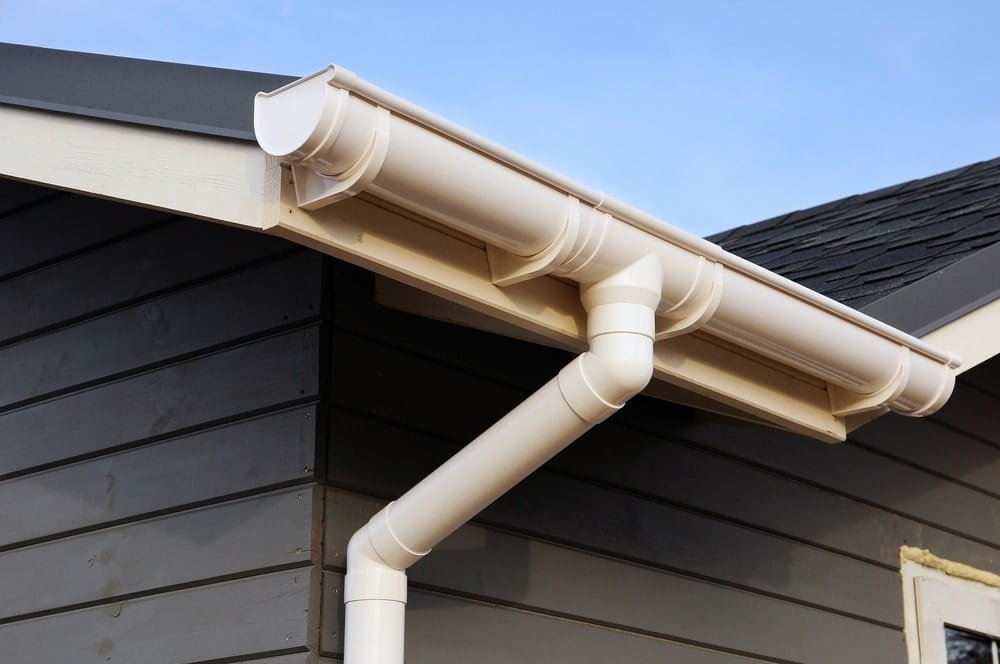
Gutters are the metal troughs that are positioned along the roof's edge. They're essential for protecting your home from Australia's unpredictable weather. They redirect rainwater away from walls and foundations to prevent structural damage. If the downpipes and gutters are damaged, it could cause serious issues.
The time and exposure to the elements wear down even the sturdiest materials. When this happens, it's important to change the guttering and downpipes before further damage is caused. To do this, choose high-quality, durable materials.
Guttering and drainpipes are used to channel the water that is leaking from your roof to the ground, thereby preventing erosion. The process of directing the water can damage the guttering and downpipes. It is essential to check your downpipes and gutters to make sure they're working correctly.
If a downpipe isn't functioning properly, it could be leaky or making loud drip noises. click through the up coming website could be due to the downpipes not being fitted securely to the gutters or that they're clogged with debris like leaves and twigs. Fixing this issue can be as easy as putting ropes to the downspout, so that water drops adhere to it instead of falling straight down, which prevents the annoying dripping noise.
Depending on the material used, the durability of your guttering can last for decades before it needs replacing. If your guttering system is old or is showing signs of rust, or leaks, it could be the time to replace it.
Leaking gutters are typically caused by cracks in the seams. To fix this issue, you'll need to clean the leaking section of gutter and remove any old sealant and then apply new sealant. Consider connecting your gutters to underground stormwater drainage systems or water butts to reduce the amount of water emitted to your home.
The slope and the size of your roof will determine the amount of downpipes you require to run your gutters. You can determine the ideal amount of downpipes for your property by measuring the slope of your roof or by consulting an expert roofing contractor. It is also important to ensure that the downpipes are placed so that they can direct the rainwater efficiently from the roof to the ground.